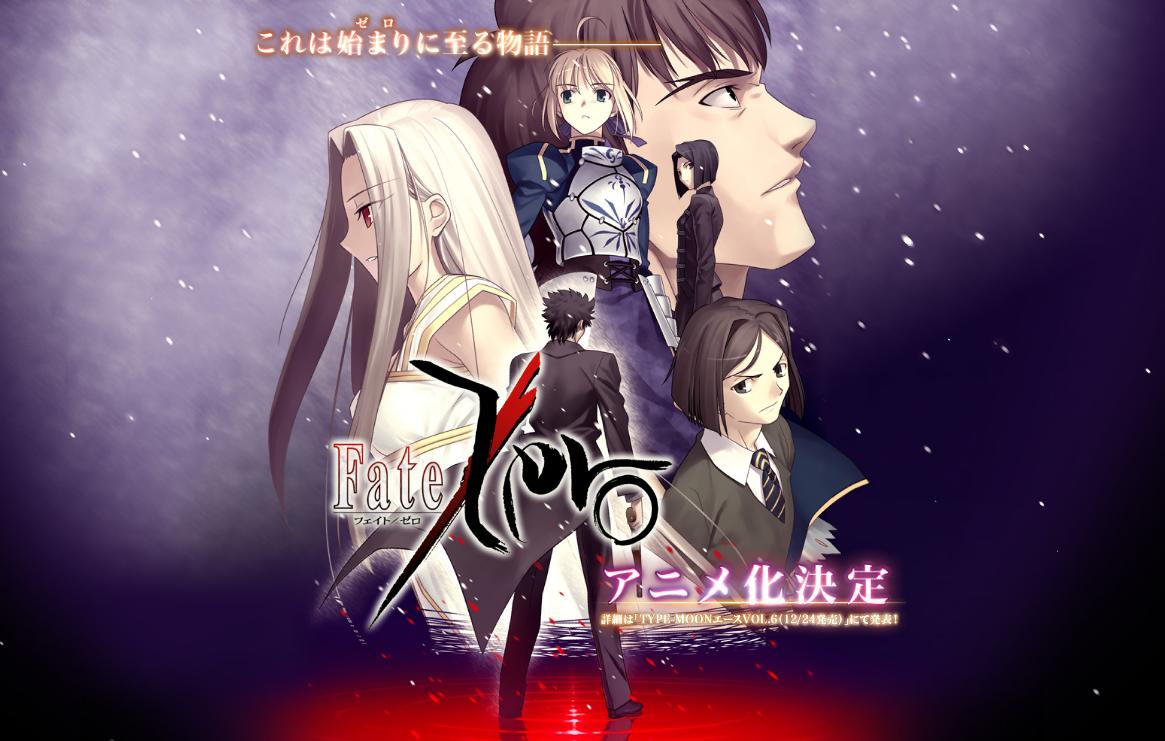
Tyrannical power and glory are two things that define a sovereign ruler with an iron fist. Many mythologies have been interpreted to fit these notions into their stories to create a different understanding. A series that has been long regarded with acclaim by many die-hard enthusiasts is the Fate series. Starting as a visual novel series, it eventually shifted its form to animation with Fate Stay Night to mediocre reception from fans. It was then that a man named Gen Urobuchi decided to make a prequel light novel series called Fate Zero, and thus a legendary phenomenon was born in animation form four years later.
Though this is the 2nd season of Fate Zero that I’m basing this off after finishing it, it would be more tempting to critique it because it is merely a continuation of the series and nothing else. Do not feel disingenuous if you feel like you want to read the visual novels before going into it or suffer through the horrible Fate Stay Night adaptation. Fate Zero is, by and large, its breed, and it wouldn’t necessarily warrant a lesser experience had one not experienced any of them. Going through the entire series to the inevitable conclusion, Fate Zero manages to put a strong emphasis on technical beauty and wonder, while it falls short on some levels.
I remember when I first got introduced to the Fate series and couldn’t make heads or tails on what it was about from looking at the plot summaries. Once you dive into it and it starts to explain in great detail about the ongoing war over the holy grail, it does make it more coherent, even if you haven’t followed the visual novel to death. Fate Zero does a great job of explaining it from the first episode alone, which has a running time of an hour. Following the footsteps of several of our protagonists and their goal of achieving the holy grail, they are all given pretty substantial screen-time for us to empathize with their competitive drive against one another.
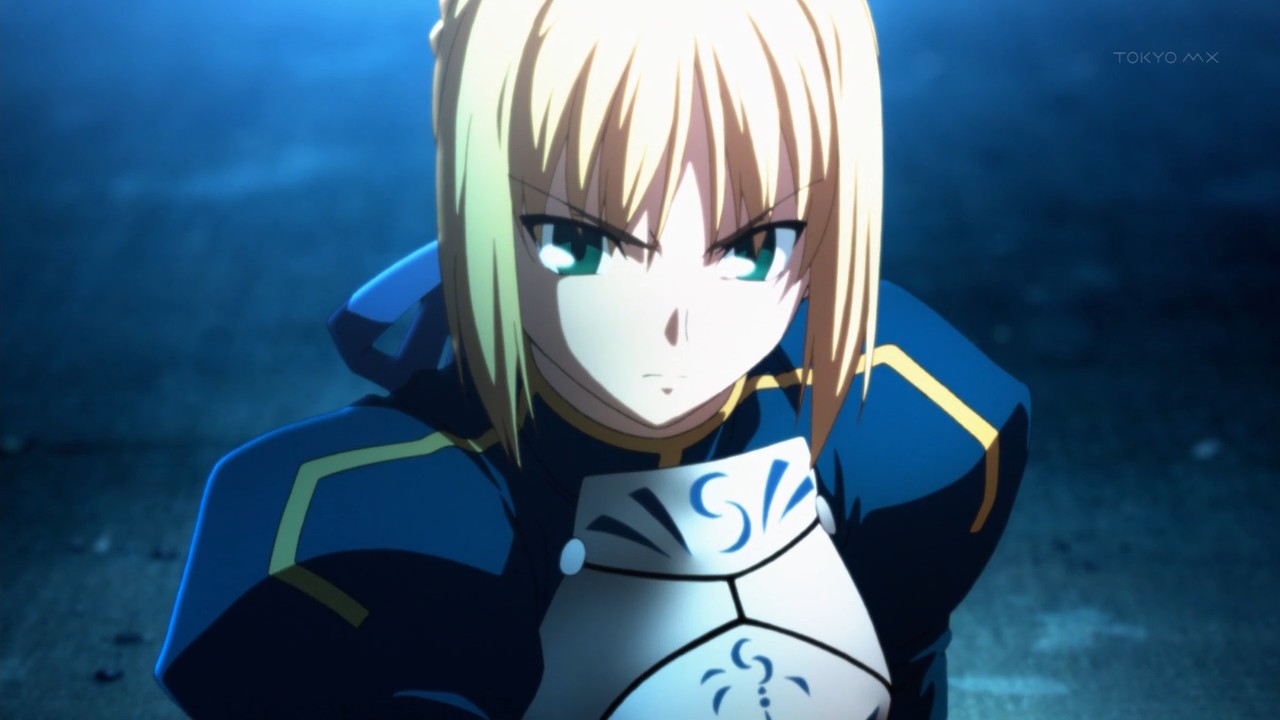
Now this screen-time I mention comes from the pacing this show has with not only how we can identify with the characters but also showcase their unique fighting abilities. I’ll give a lot of credit to the animation studio, ufotable, and bringing out their big guns into the production of Fate Zero. It also helps that they worked on a massive budget that they could workaround, which is a rarity in this day and age. Their attention to detail in the color schemes, especially in the darker moments, is astounding. It’s one of those instances where it is mandatory to watch this in full high definition to get involved with the creative detail of the art and animation.
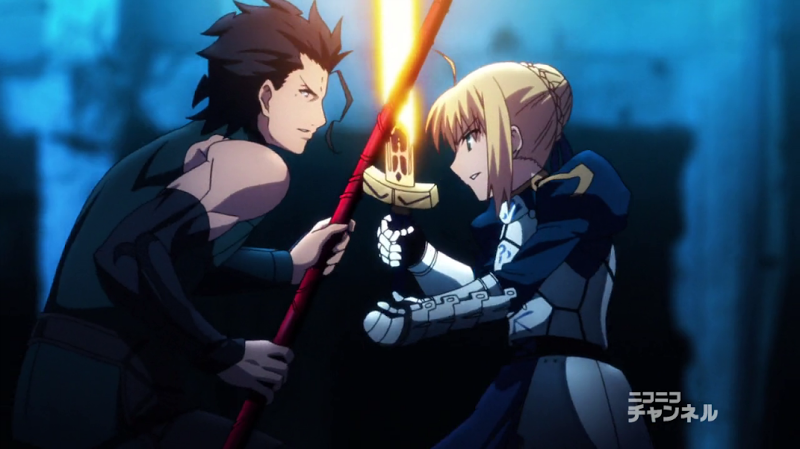
With animation comes action scenes, which Fate Zero is not afraid to show with true greatness. What is quite refreshing to see in an action scene is for characters to plan out their attack moves instead of just swinging their weapon until the enemy dies. It doesn’t needlessly pad out the fighting scenes with constant dialogue in-between, at least most of the time. Visually exciting and epic in their ultimate nature, these will not disappoint your average action show fan.
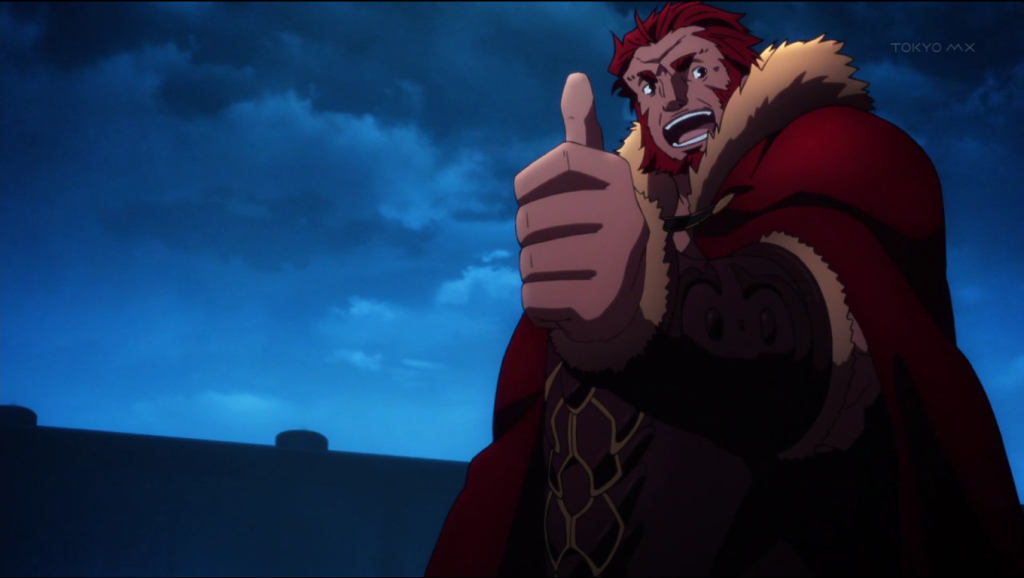
Epic storytelling has its roots in having a large cast of characters. Unfortunately, the characters in Fate Zero are hit or miss depending on the progression we get from the development they have. This includes our relationship with the human characters and the servants that protect them. The best example is the relationship between Rider and Waver based on the level of chemistry these two have whenever they are bickering with one another. However, the rest didn’t speak to me as having great chemistry only because their only purpose was to advance the plot and nothing else. With Rider and Waver, it felt like I was rooting for these people more to win the war because they bolster so many lighthearted moments that make them appealing to watch.
Saber gets a lot of praise for being a solid character, and I understand from the perspective that she knows how to protect herself and her master. Other than that, she doesn’t carry the show on her own because of her bland personality, and all she does is tries to get her honor back, which feels so superficial. This is the case for most characters, except for Kiritsugu Emiya, in Fate Zero. Style with no substance is what I would generalize my point as for them. It could be the problem with adaptations that don’t expand enough for people like me who hadn’t read the visual novel, but that is hardly an excuse if you think about it.
The worst instance I can give for this is the characters Caster and Ryunosuke. Both of them are pure psychopathic murderers who take pleasure in killing children for fun and nothing else. That should not entail that I take these characters as bad only on the premise that it’s wholly frightening or unsettling. What troubles me is that that’s all that we get out of Caster and Ryunosuke. We don’t know what makes Ryunosuke into the person he is, and most of the blame can be put on him since Caster is already based on a real-life serial killer. They are there to emit shock value into the mix to make the show more “adult” when it doesn’t matter in the slightest, not that this was the first for Gen Urobuchi.
Nevertheless, the character development kicks into high gear when we explore Kiritsugu Emiya’s troubled past. The only negative aspect to this is that the two episodes that chronicle his past felt unnecessary in the main broadcast and would’ve fit better in a separate OVA. What makes it less of criticism is that it is done very well in delving into the psyche of Emiya and shows how different he has changed throughout his life. So in retrospect, my reactions to Fate Zero’s attempt to construct a narrative and character story are mixed, but they are far from terrible.
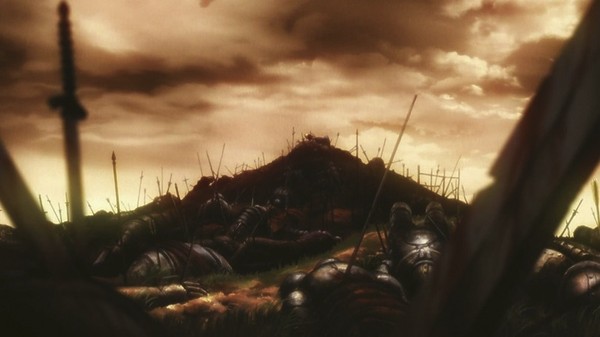
People wanted to see the epic conclusion to Fate Zero, and they sure got it in good proficiency. Even though I felt the ending was a little anti-climatic to some degree, with some sequences feeling a bit rushed, they give at least some closure to the character arcs. Has this officially made me into a Fate series fan? No, not even close. But there are many things to appreciate about Fate Zero and its attention to spectacle over substance. Sometimes that can work, and Fate Zero rests on that throne as one of the more enjoyable experiences. Does this mean that Type-Moon will not stop milking their franchise and driving it into the ground in the future? You bet your ass they will.
Grade: B
 Gonzy's Anime Love Shack